
Brakes & handling · Father Auto Journal
Tire Balancing: Signs & Service
Balancing corrects uneven weight distribution in a rotating tire-and-wheel assembly; alignment measures wheel angles. Road-speed vibration may prompt balancing assessment, but tire, wheel or suspension damage can produce similar symptoms.
Contact Us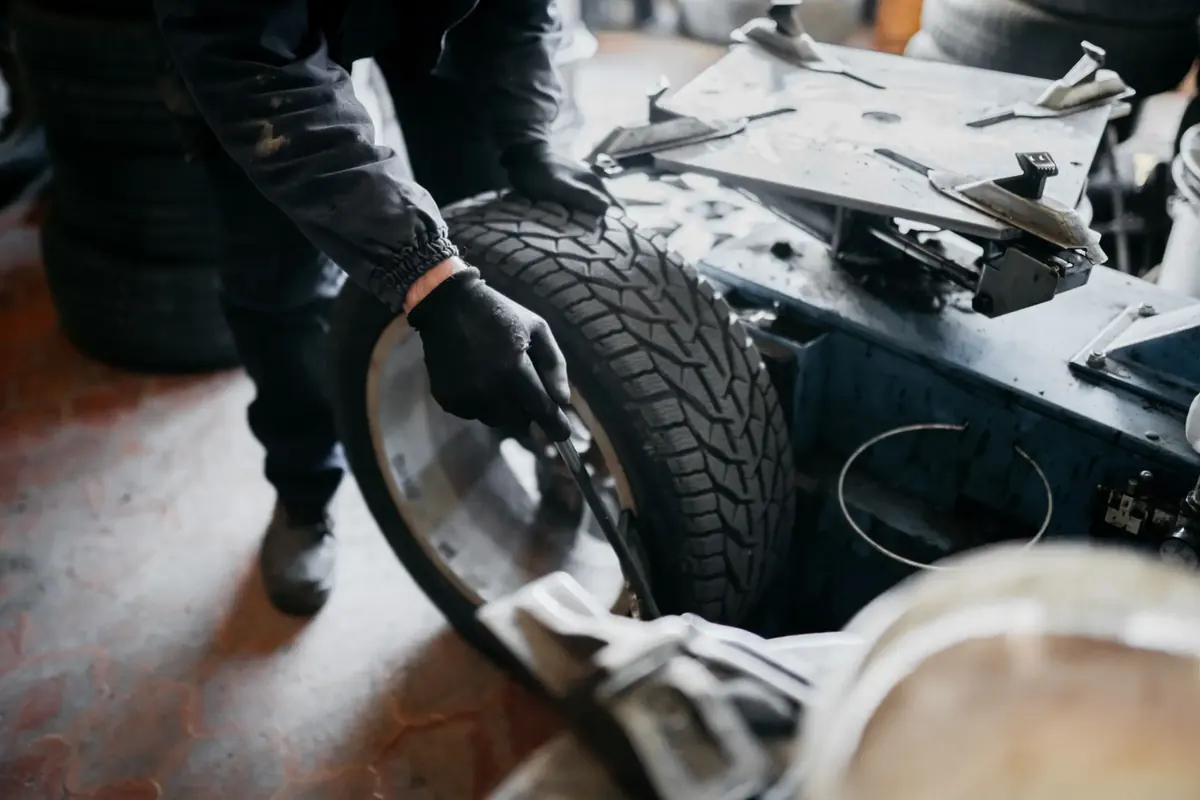
At a glance
Balancing corrects uneven weight distribution in a rotating tire-and-wheel assembly; alignment measures wheel angles. Road-speed vibration may prompt balancing assessment, but tire, wheel or suspension damage can produce similar symptoms. Ask which checks and fitting work the quote includes.
Balancing corrects rotating weight distribution
Tire balancing corrects uneven weight distribution in a wheel-and-tire assembly. Even when a tire and wheel appear perfectly round, small differences in their weight can cause one part of the assembly to be heavier than another. As the wheel rotates, that uneven distribution creates an imbalance. A technician uses a balancing machine to identify where weight needs to be added, then attaches small weights to the wheel to compensate. Once balanced, the assembly can rotate more evenly.
Balancing is different from wheel alignment, although the two services are sometimes confused. Balancing addresses the distribution of weight around each rotating wheel-and-tire assembly. Alignment concerns the angles and direction of the wheels in relation to one another and to the vehicle. A vehicle may need one service without needing the other: for example, uneven tire wear or a steering pull can point to an alignment issue, while vibration that increases with speed may indicate an imbalance.
A small imbalance can matter because the wheel spins rapidly, especially at highway speeds. The heavier area repeatedly creates an uneven force as the assembly turns, which may be felt as vibration through the steering wheel, seat, or floor. The vibration can become more noticeable as speed rises, though its location and intensity vary by vehicle and by which wheel is affected. A balancing machine helps technicians pinpoint the imbalance rather than relying on appearance alone.
Proper balancing supports a smoother ride and can help tires wear more evenly. Without it, repeated vibration and uneven contact with the road may contribute to irregular tread wear. The resulting movement can also place additional stress on suspension and steering components over time. Balancing cannot correct every cause of vibration, and it does not repair damaged tires, bent wheels, or worn mechanical parts. However, it is a routine maintenance step that helps the wheel-and-tire assemblies operate as intended and can identify problems that require further inspection.
Vibration can have more than one cause
A common sign that tires may need balancing is vibration while driving. It may be felt through the steering wheel as a tremor or shimmy, particularly when traveling at highway speeds. Some drivers notice vibration through the seat, floor, or entire vehicle instead. The sensation can be mild and intermittent at first, then become more obvious as speed rises. In some cases, it is strongest within a particular speed range and lessens above or below it. Such changes are observations to share with a technician, but they do not identify the cause on their own.
Where the vibration is felt can offer a clue about which wheels may be involved. An imbalance affecting the front wheels may be more noticeable in the steering wheel, while a rear-wheel imbalance may be felt more clearly through the seat or vehicle floor. These patterns are not reliable rules: vehicle design, tire condition, road surface, and the speed of travel can change how vibration is transmitted. Other clues include uneven tread wear, such as scalloped or cupped patches, and unusual road noise that changes with speed. However, wear and noise can also have several causes, and may not be present even when a wheel is out of balance.
A vehicle vibration does not automatically mean tire imbalance. Wheel alignment problems, a damaged tire or bent wheel, loose or worn suspension components, and other mechanical issues can produce similar symptoms. Brake problems or drivetrain concerns may also cause shaking under particular conditions. Because these faults can overlap, diagnosing the issue by sensation alone is difficult. Have the tires and wheels inspected if vibration persists, worsens, or is accompanied by visible damage, unusual wear, or handling changes. A technician can check wheel balance and examine tire condition, wheel runout, alignment, and suspension parts to determine the repair.
When balancing is considered and what the service involves
Several routine service events may call for tire balancing. New tires should generally be balanced when they are installed, because even newly manufactured tire-and-wheel assemblies can have small differences in weight distribution. A shop may also recommend balancing during a tire rotation, particularly if the tires are removed from their wheels or if the vehicle’s service plan calls for it. After a tire repair, balancing may be appropriate because the repair can alter the assembly’s weight distribution. Replacing a wheel is another common reason to have the assembly checked. Drivers should also arrange an inspection if they notice steering-wheel or seat vibration, especially at certain speeds, or uneven tire wear that cannot otherwise be explained.
There is no single balancing interval that applies to every vehicle. Recommended maintenance depends on the vehicle, tire manufacturer, driving conditions, and the work being performed. Frequent driving on rough roads, for example, may make it more likely that a wheel loses a weight or that an assembly needs attention. Rather than relying on a universal mileage rule, consult the owner’s manual and ask a qualified tire professional when balancing is due. A technician can consider the vehicle’s symptoms and service history and determine whether balancing is necessary, instead of treating it as an automatic requirement at every visit.
For the service, the technician typically removes each wheel from the vehicle and mounts the wheel-and-tire assembly on a balancing machine. The machine spins the assembly and measures how its weight is distributed, identifying heavy and light spots. The technician then attaches appropriately sized weights at specified locations on the wheel to counteract the imbalance. After the adjustments, the assembly is spun again to verify that the distribution is within the machine’s acceptable range. The wheel is then reinstalled on the vehicle. Balancing is distinct from wheel alignment: balancing corrects uneven weight in a rotating assembly, while alignment concerns the direction and angles of the wheels. Both services can affect driving comfort and tire wear, but one does not replace the other.
The cost of tire balancing varies, so a single price cannot apply to every vehicle or service visit. Location, vehicle type, wheel size and construction, and the shop’s equipment can all affect the charge. Balancing may also be included in a tire installation package or combined with a tire rotation, while other shops price each service separately. Before approving the work, ask for an itemized quote that identifies what is included and whether any additional fees may apply.
Review results and protect the wheel-and-tire setup
A properly balanced tire-and-wheel assembly should reduce vibration caused by uneven weight distribution. Drivers may notice a smoother ride, particularly at highway speeds, when imbalance was the source of the shaking. However, balancing cannot correct every cause of vibration. If shaking continues after service, returns quickly, or is accompanied by pulling, unusual noise, or visible tire damage, arrange a further inspection. The cause may involve a damaged wheel, uneven tire wear, suspension components, or another issue that requires diagnosis.
Several everyday habits can help protect the results. Check tire pressure regularly and keep it at the vehicle manufacturer’s recommended level, usually listed on the driver-side door label or in the owner’s manual. Avoid potholes and curb impacts when it is safe to do so, since a hard strike can damage a tire or bend a wheel and disturb the assembly. Inspect tires and wheels periodically for bulges, cuts, cracks, missing wheel weights, or other signs of damage. Seek professional assessment if vibration or another unusual symptom appears rather than waiting for routine maintenance.
Choose a qualified tire shop with appropriate equipment and ask the technician to explain the inspection findings. If the shop recommends related work, such as wheel alignment or a repair, ask what evidence supports that recommendation and how it relates to the symptoms. Balancing and alignment address different conditions, so one should not be treated as an automatic substitute for the other. Clear explanations and an itemized estimate help you make an informed decision while ensuring the vehicle receives only the work that is justified.
YOUR NEXT STEP
Clear advice starts with your vehicle.
Tell us your vehicle, the symptoms or tire size, and the service you need. We’ll confirm the available assessment, fitment or quote scope before your visit to 50 Munham Gate, Scarborough.
Explore Tire Balancing in Scarborough or send your details to the shop.
Contact Us