
Tires & fitment · Father Auto Journal
Winter vs. All-Season vs. All-Weather Tires
Winter, all-season and all-weather tires have different intended uses. Compare the actual model, markings, fitment and weather you expect rather than relying on a category name.
Contact Us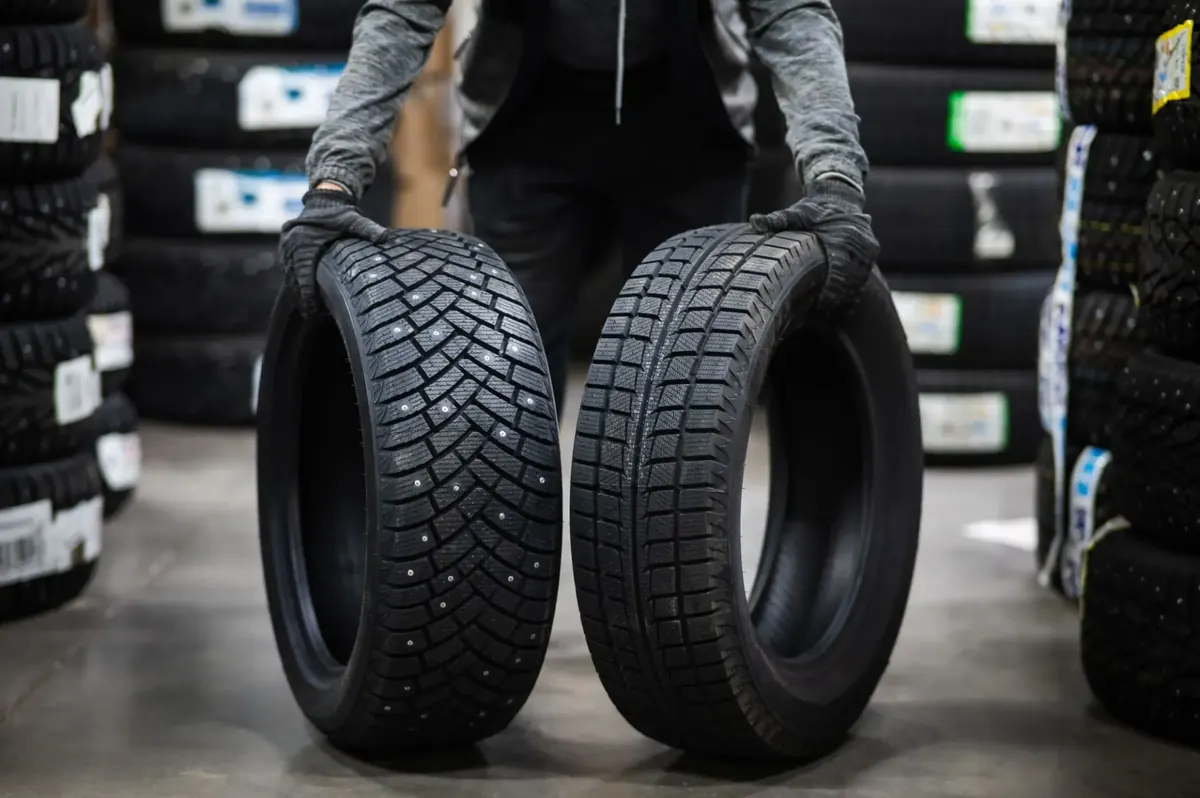
At a glance
Winter, all-season and all-weather tires have different intended uses. Compare the actual model, markings, fitment and weather you expect rather than relying on a category name. Ask for suitable complete-set options and an installed quote matched to your vehicle and seasonal plan.
- Compare actual model markings and intended use.
- Confirm vehicle fitment and matching requirements.
- Include future seasonal fitting in the decision.
Winter vs. all-season vs. all-weather tires
A tire choice should start with where you drive, the weather you encounter and your vehicle’s fitment requirements. A commute that can be postponed during snow is a different use case from travel that continues through winter weather. No category name removes the need to check condition, pressure and suitability.
| Category | Main purpose | Question to ask |
|---|---|---|
| Winter | Cold conditions, including snow and ice; dedicated seasonal use. | Which suitable full-set options fit my vehicle, and how will I change sets? |
| All-season | Everyday dry and wet conditions, with limited winter capability depending on the tire. | Does this tire suit the winter conditions I actually encounter? |
| All-weather | Year-round use with a severe-snow-rated design. | Does this model carry the snowflake marking, and does it suit my driving needs? |
Michelin explains that winter and conventional all-season tires have different cold-weather capabilities in its Canadian winter-tire guide. Nokian describes the year-round intent and severe-snow marking of all-weather tires in its all-season versus all-weather comparison.
3PMSF snowflake and M+S: check the actual marking
The three-peak mountain snowflake, often shortened to 3PMSF, indicates that the tire meets a severe-snow traction standard. An M+S marking alone is not the same qualification. The symbol is a useful check, but it does not make every marked tire identical in all conditions. See Nokian’s explanation of 3PMSF and M+S markings.
Does AWD remove the need for winter tires?
No. Drivetrain and tire choice address different aspects of vehicle performance. Michelin recommends a full set of winter tires even for AWD and 4WD vehicles in its winter-tire guidance. Ask about your vehicle’s tire-matching requirements when choosing replacements.
Compare tires, winter wheels and seasonal fitting costs
When requesting a quote, consider more than the tire-only price. A dedicated winter set means planning a seasonal change and somewhere to keep the other set. If each set has its own wheels, the changeover differs from mounting loose tires on one shared wheel set.
- Give the vehicle year, make, model and required tire specification.
- Explain the conditions and travel you expect, rather than asking only for the cheapest option.
- Ask for the exact tire model and the complete installed total.
- State whether you need tires, wheels or a change of an existing set.
- Ask about actual stock and the terms of any offered warranty.
Already have a seasonal set?
Have the condition assessed before reinstalling it. A familiar tire can still need attention after storage or previous use. Read our on-rim versus off-rim change guide to identify the correct fitting request.
Common winter-tire questions
Do I need four winter tires or just two?
Transport Canada recommends winter tires in sets of four to support control and stability. Confirm your vehicle’s matching and fitment requirements when choosing the set.
What temperature should I plan my winter tire change around?
Transport Canada explains that all-season and summer tires begin losing elasticity below 7°C. Use changing conditions to plan a seasonal appointment, then confirm the suitability and condition of your tires.
Do all-weather tires qualify for an Ontario insurance discount?
Ask your insurer to confirm the exact tire model, required markings, installation dates and any proof it needs before you buy. FSRA advises drivers to ask their insurer how to qualify for a winter-tire discount; the category name alone is not a policy decision.
Read Transport Canada’s winter-tire guidance and FSRA’s explanation of insurance discounts.
General customer information. Follow your vehicle and tire manufacturer’s guidance for the specific vehicle and products.
YOUR NEXT STEP
Clear advice starts with your vehicle.
Tell us your vehicle, the symptoms or tire size, and the service you need. We’ll confirm the available assessment, fitment or quote scope before your visit to 50 Munham Gate, Scarborough.
Explore Winter Tires or send your details to the shop.
Contact Us