
Tires & fitment · Father Auto Journal
Winter vs All-Season Tires
Winter and all-season tires are intended for different conditions. Compare expected cold, snow, slush and driving needs alongside vehicle fitment and tire condition.
Contact Us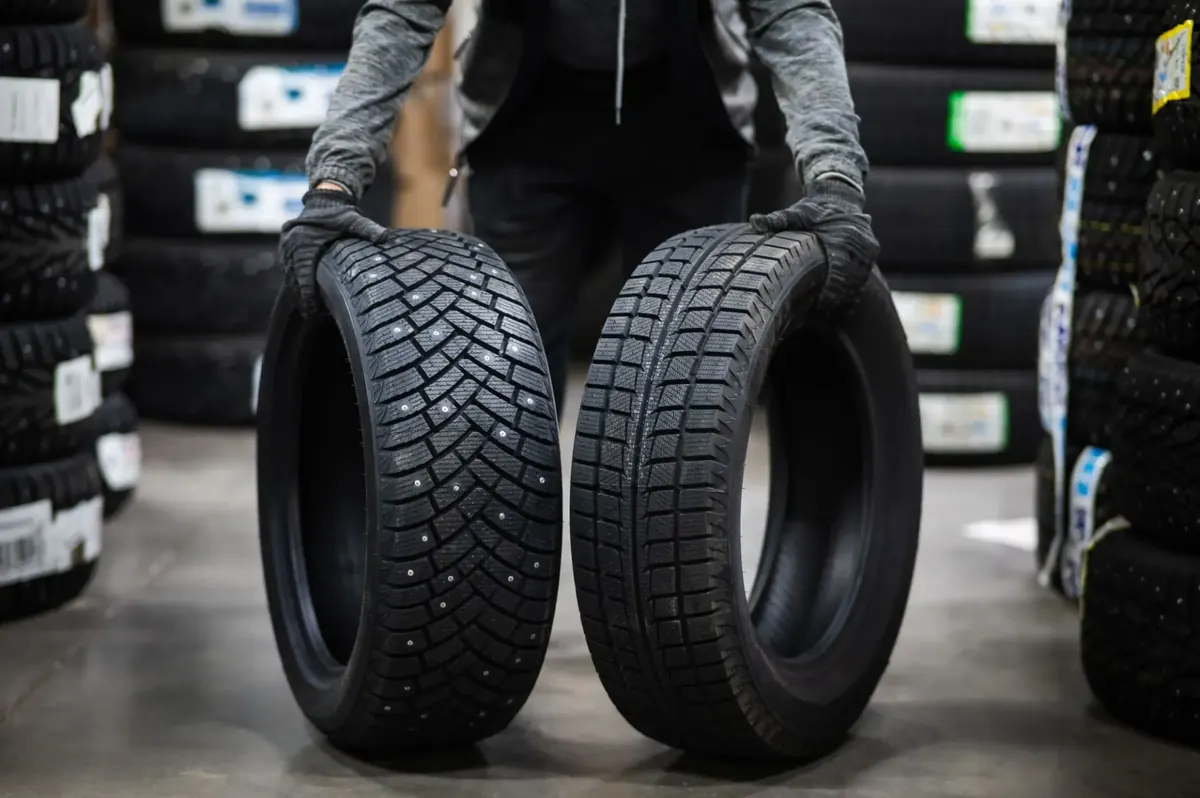
At a glance
Winter and all-season tires are intended for different conditions. Compare expected cold, snow, slush and driving needs alongside vehicle fitment and tire condition. A suitable complete set and a practical seasonal plan matter more than the category name alone.
How winter and all-season tire designs differ
Winter tires and all-season tires are built to handle different driving conditions, so choosing between them depends on temperature, road surfaces, and how often you drive in winter weather. Winter tires are designed for cold conditions, including the freezing temperatures, snow, and slush common during Ontario winters. Their specialized rubber compound remains more flexible in the cold than the compound used in many all-season tires. That flexibility helps the tire maintain contact with the road and supports grip when temperatures fall.
The tread is another important difference. Winter tires typically have deeper grooves and a pattern of small cuts, called sipes, that create additional biting edges. These features help the tire move through snow and provide traction on slippery surfaces. They can also help channel slush and water away from the contact area. For winter driving, the tire’s cold-weather design matters more than simply how aggressive its tread appears.
All-season tires take a broader approach. Their rubber and tread are intended to balance performance in warmer weather with capability in cooler, mild conditions. This versatility makes them a practical choice for some drivers who want one set of tires for much of the year. However, “all-season” does not mean equal performance in every season or climate. These tires are not optimized for severe winter weather, and their rubber can become less pliable as temperatures drop. They may therefore provide less traction in snow and on icy roads than dedicated winter tires. Understanding this distinction can help drivers choose based on their typical routes and winter exposure, rather than relying on the tire name alone. In areas with frequent cold snaps or accumulated snow, a dedicated winter set may offer a more suitable option; all-season tires may fit drivers whose conditions are generally milder and who prioritize year-round convenience.
Snow, slush and real-world performance factors
Winter driving brings several distinct hazards, and tire performance can change from one road surface to another. On packed snow, winter tires generally provide more dependable traction because their tread patterns are designed to bite into snow and clear it from the contact area. Their numerous sipes—small cuts in the tread blocks—also create additional edges that help with grip. This difference can matter when roads remain snow-covered or poorly cleared.
In fresh, deeper snow, tread design and available clearance both affect how well a vehicle moves, turns, and stops. Winter tires can help maintain control, but they cannot prevent a vehicle from becoming stuck or compensate for excessive speed. On icy surfaces, specialized rubber compounds and tread features may improve grip compared with many all-season models. However, ice remains especially difficult to drive on, and even the best tires for an Ontario winter cannot guarantee a short stopping distance or prevent skidding.
Slush can reduce contact between a tire and the road, so tread channels that move water and slush away from the contact patch are useful. Performance varies by tire model and by the depth and consistency of the slush. On cold, dry pavement, winter tires can still offer an advantage when temperatures stay low because their rubber is formulated to remain more flexible. Many all-season tires become firmer as temperatures fall, which can reduce their ability to conform to the road and maintain grip. The temperature at which performance changes depends on the specific tire, so labels alone do not tell the whole story.
Actual results also depend on the vehicle, tire condition, road surface, speed, and driving behavior. A well-maintained all-season tire may perform adequately in mild conditions, while worn winter tires may provide limited benefit. Check the tire’s condition and suitability for your vehicle as well as its category. Whichever type is fitted, drivers should slow down, leave extra following distance, brake gently, and make smooth steering inputs. Tires can improve traction and control, but cautious driving remains essential in winter weather.
Match the tire choice to your routes and seasonal plan
Choosing between all-season and winter tires starts with the conditions you actually encounter, not just the forecast for your neighbourhood. Consider how often temperatures remain near or below 7°C, how much snow and ice typically accumulates, and whether roads are cleared promptly. All-season tires can be adequate for drivers in milder areas where severe snowfall is uncommon and travel can be postponed during storms. In contrast, frequent freezing weather, packed snow, or icy streets can make winter tires a more suitable choice. Drivers comparing winter tires in Scarborough should consider their regular routes as well as local conditions.
Your driving habits matter just as much as the climate. A short commute on well-maintained urban roads presents different demands from a long daily journey, an early-morning shift, or regular travel on rural roads that may be cleared later. Mountain routes, steep hills, and roads exposed to drifting snow can increase the value of winter traction. Think about how much flexibility you have to stay home when conditions deteriorate and whether your vehicle must be dependable throughout the season. Local rules may also affect your decision, particularly when travelling outside Ontario, so check the requirements that apply to your planned routes.
A dedicated winter setup has practical costs and benefits. You will need a second set of tires, seasonal installation, and a suitable place to store whichever set is not in use. The initial expense can be balanced by sharing annual mileage between two sets, potentially slowing wear on each, although winter tires still need to be replaced as they age or lose tread. A separate set of wheels may make seasonal changes easier, but adds to the upfront cost. Winter tires can also feel different on dry roads, with changes in ride comfort, noise, and handling. For drivers who regularly face snow or freezing conditions, those trade-offs may be worthwhile; for occasional, low-risk trips in mild winters, all-season tires may be the more practical option.
Fitment, complete sets and changeover planning
Build a seasonal tire plan around your vehicle, regular routes, and local conditions—not a single product label. Start with the owner’s manual and the tire placard to confirm the approved size, load rating, and pressure. When comparing tire models, look for the Three-Peak Mountain Snowflake (3PMSF) symbol if severe-snow performance is important; it identifies tires that meet a defined snow-traction standard. The M+S marking alone does not indicate the same tested level of snow performance. Check current requirements for every province or region where you drive, since rules can differ.
For winter use, fit four matching winter tires, not two winter tires paired with all-seasons. Mixing tire types can create uneven grip between the front and rear axles and make handling less predictable, especially during braking or cornering on slippery roads. Match the tires’ size and load capacity, and consider a complete winter tire package with compatible wheels and sensors. Ask the installer to confirm fitment and explain the trade-offs of any proposed tire-and-wheel package for your vehicle. Inspect tires regularly for cuts, bulges, uneven wear, and adequate tread depth; check pressure when tires are cold and adjust to the vehicle maker’s recommendation, not the maximum printed on the sidewall.
Plan changeovers by watching temperatures and forecasts rather than waiting for the first major snowfall. Many drivers switch to winter tires when temperatures are consistently around 7°C or lower, when all-season rubber may become less flexible; change back when sustained spring warmth arrives. The right timing depends on your local weather, regular routes and travel needs; arrange a changeover before icy conditions become routine. Winter tires still require cautious driving: reduce speed, leave longer following distances, and brake, accelerate, and steer smoothly. Tires improve available traction, but they cannot eliminate the risks of cold-weather roads.
YOUR NEXT STEP
Clear advice starts with your vehicle.
Tell us your vehicle, the symptoms or tire size, and the service you need. We’ll confirm the available assessment, fitment or quote scope before your visit to 50 Munham Gate, Scarborough.
Explore Winter Tires in Scarborough or send your details to the shop.
Contact Us