
Brakes & handling · Father Auto Journal
Brakes Grinding: What the Noise Can Mean
Grinding during braking needs prompt assessment, but the sound alone cannot identify a failed part. Describe when it happens, where you hear it and any pedal, stopping or control changes.
Contact Us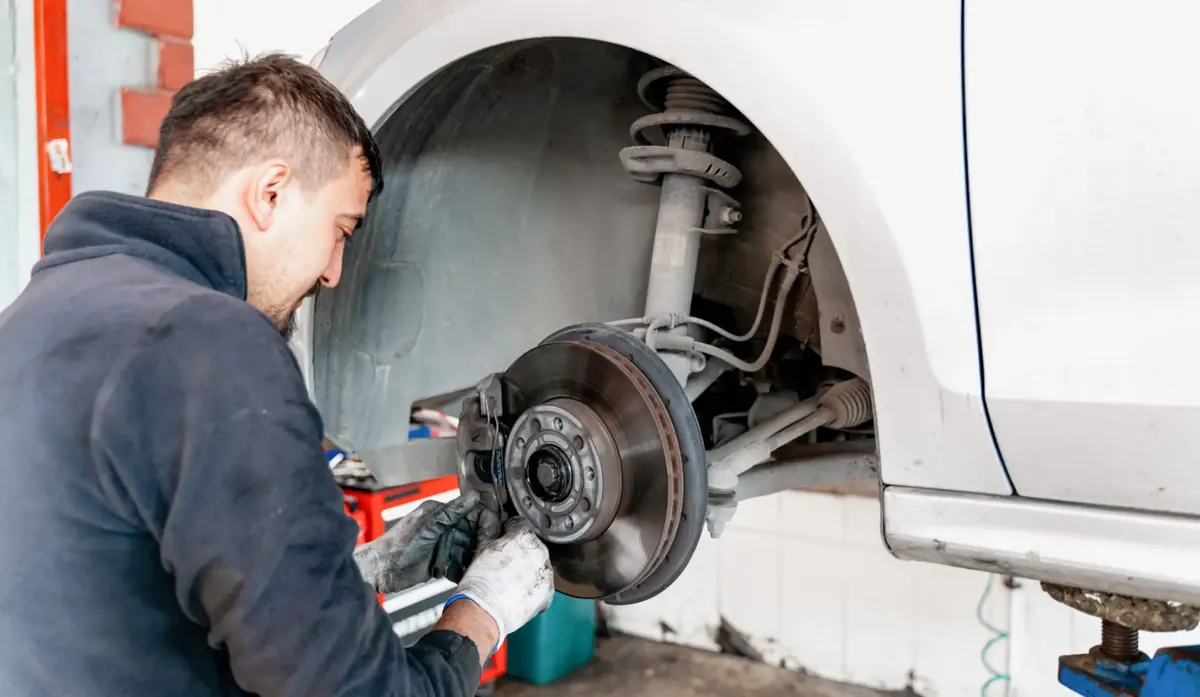
At a glance
Grinding during braking needs prompt assessment, but the sound alone cannot identify a failed part. Describe when it happens, where you hear it and any pedal, stopping or control changes. If braking ability or control has changed, stop safely and arrange professional assistance before further travel.
- Note whether noise occurs with the pedal applied or released.
- Report vibration, pulling and warning lights together.
- Request findings before selecting pads or rotors.
Describe when the grinding happens
The conditions help distinguish a braking concern from another wheel-area noise. Explain whether grinding starts with light braking, occurs throughout a stop or continues after releasing the pedal. Report what you have already noticed; do not drive again simply to reproduce a concerning sound.
- Mention front, rear or an uncertain location.
- Describe accompanying vibration, pulling or warning messages.
Grinding brakes need a pads-and-rotors assessment
Grinding under braking can occur when a pad’s friction material wears away and its metal backing contacts the disc. Uneven wear from a sticking caliper can also leave serious disc damage. These are possibilities to inspect, not a diagnosis from sound alone: Ferodo’s brake-disc troubleshooting guide explains these wear patterns, while Delphi describes grinding from worn or incorrectly fitted pads. The pads, discs and caliper operation need checking together.
A brake assessment should establish the condition of the affected components and what work is needed. Brembo’s guidance explains that noise and vibration can involve the wider brake system. Ordering pads or rotors solely from a grinding description can miss the cause and the correct repair scope.
- Ask which findings support the proposed work.
- Mention recent brake repairs and the available invoice.
Treat changes in stopping as urgent
A new grinding sound is especially concerning alongside reduced braking, a sinking or unusually soft pedal, severe pulling or a brake warning. Stop in a safe place and seek appropriate help. Consult your vehicle’s manual for its warning instructions; do not assume every dashboard symbol has the same meaning.
- Do not take a test drive to assess stopping distance.
- A phone conversation cannot confirm that driving is safe.
Request a quote based on the assessment
When you call Father Auto, start with the noise and any change in braking. Confirm assessment arrangements for the Scarborough shop. Ask the estimate to identify the axle, required parts, labour and any further work that needs authorization, so the repair decision follows the findings.
- Confirm the assessment charge and what it covers.
- Ask to discuss additional findings before costs change.
Have these details ready when you call
- Vehicle details and approximate mileage
- Grinding during braking or while coasting
- Noise location and when it began
- Pedal changes, pulling or vibration
- Dashboard warnings or messages
- Recent brake-work invoice if available
Calling from Toronto or elsewhere in the GTA? Confirm the service and appointment before travelling to our shop at 50 Munham Gate, Scarborough, ON M1P 2B4.
If safe operation is uncertain, arrange appropriate transport rather than driving.
Contact UsCommon questions
Why are my brakes grinding when I stop?
The noise needs inspection of the affected brake system; it does not identify a single failed part. Ask what the pads, rotors and related findings show before approving replacement work.
Can I drive to the shop with grinding brakes?
A phone description cannot establish safe braking. If pedal feel, stopping ability or control has changed, stop safely and arrange professional assistance.
What if the brakes were recently replaced?
Share the repair date and invoice. Recent work is relevant to assessment, but it does not by itself establish the cause of the new sound.
Further reading
Consult your own vehicle’s manual for instructions that apply to its warnings, specifications and maintenance schedule.
YOUR NEXT STEP
Clear advice starts with your vehicle.
Tell us your vehicle, the symptoms or tire size, and the service you need. We’ll confirm the available assessment, fitment or quote scope before your visit to 50 Munham Gate, Scarborough.
Explore Brake Repair & Service or send your details to the shop.
Contact Us