
Brakes & handling · Father Auto Journal
Brake Inspections & Warning Signs
A brake inspection considers pads, rotors or drums, hydraulic parts and how the system responds. Timing depends on the vehicle and symptoms.
Contact Us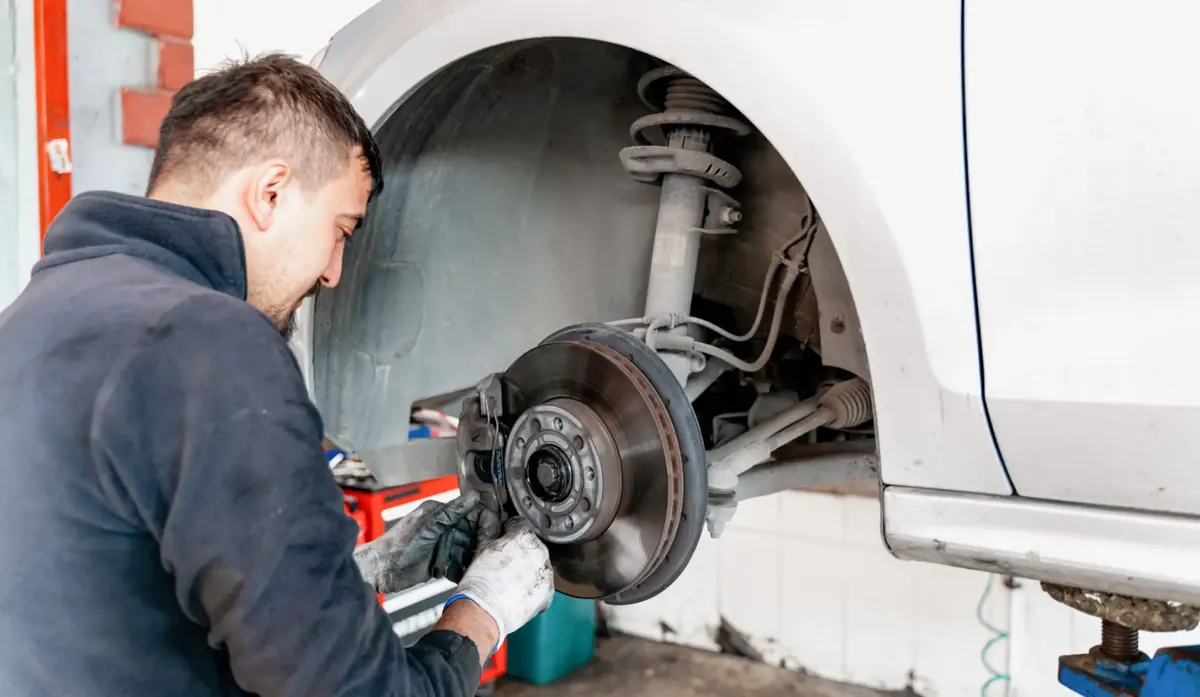
At a glance
A brake inspection considers pads, rotors or drums, hydraulic parts and how the system responds. Timing depends on the vehicle and symptoms. Ask for measurements, the reason for each recommendation and which findings need urgent action before authorizing repairs.
Why inspection timing depends on the vehicle
Brakes convert a moving vehicle’s energy into stopping force. When the driver presses the brake pedal, components such as pads, rotors, calipers, and hydraulic parts work together to create friction and slow the wheels. The system must respond predictably so the driver can maintain control, reduce speed in time, and bring the vehicle to a safe stop. If any part is worn, damaged, or not operating correctly, braking may become less effective. The vehicle may take longer to stop, pull to one side, or respond inconsistently, increasing risk for occupants and other road users.
Regular brake inspections help identify gradual wear and developing faults before they become urgent. Brake pads thin through normal use, while rotors can wear or become uneven. Leaks, sticking components, or changes in brake fluid can also affect performance. Some problems develop without an obvious warning at first, so relying only on a dashboard light or a noticeable sound may allow a fault to progress. A qualified inspection can assess key components and identify whether maintenance or repair is needed, helping preserve dependable braking and avoid more extensive damage.
Addressing wear early can also reduce the chance of unexpected trouble on the road. A vehicle with compromised brakes may be harder to control during sudden stops, in traffic, or on slippery surfaces. Delayed repairs can allow worn parts to damage other components, increasing repair costs. Routine checks provide an opportunity to discuss unusual noises, vibration, a soft pedal, or other changes with a technician, even if the vehicle still seems to stop normally.
There is no single inspection interval that suits every vehicle. Timing depends on the manufacturer’s recommendations, mileage, vehicle design, and how and where it is driven. Frequent stop-and-go traffic, steep routes, heavy loads, and harsh weather can accelerate wear. Following the owner’s manual and arranging checks during scheduled maintenance can help tailor inspection frequency to actual conditions. If braking performance changes, seek professional attention promptly rather than waiting for the next routine service.
What a professional brake inspection can cover
A thorough professional brake inspection goes beyond checking whether the vehicle stops. A technician examines the friction components at each wheel, noting brake pads or shoes and measuring the remaining friction material. They look for uneven wear, which can indicate a sticking caliper, damaged hardware, or another problem affecting how pressure is applied. The pattern and amount of wear help determine whether replacement is needed and whether related parts also require attention.
Rotors and drums are checked for thickness against manufacturer limits, as well as scoring, grooves, warping, and signs of heat damage such as discoloration or cracking. These defects may cause vibration, noise, reduced braking performance, or accelerated wear. The technician also inspects calipers, wheel cylinders, and associated hardware for free movement, corrosion, damage, and fluid leaks. Components that bind or fail to apply pressure evenly can compromise braking even when the friction material appears adequate.
Brake lines and flexible hoses are examined along their accessible lengths for cracks, bulges, abrasion, corrosion, impact damage, and signs of fluid seepage at connections. The brake-fluid level and condition may also be assessed; low or contaminated fluid can point to a leak, neglected maintenance, or another issue requiring diagnosis. A technician may check parking-brake operation and adjustment, along with dashboard warning lights and relevant electronic systems, including the anti-lock braking system (ABS). Diagnostic equipment can help identify stored faults that are not evident from a visual check alone.
When appropriate, the inspection includes a road test in a safe setting. The technician can assess pedal feel, stopping response, pulling to one side, vibration, unusual sounds, and whether warning lights remain illuminated. Test results complement the stationary checks rather than replace them. The exact inspection steps vary by vehicle design and reported symptoms, but a systematic review helps identify wear, leaks, or component faults before they develop into a greater safety concern.
Noise, pedal changes and warning lights
Brake noises deserve attention, particularly when they are new, persistent, or becoming louder. A high-pitched squeal can indicate worn pads or another issue, while grinding or scraping may mean components are making damaging contact. Vibration or pulsation through the pedal or steering wheel during braking can also signal a problem. These sensations may arise from uneven wear, a rotor issue, or other causes, so they do not identify a faulty part by themselves. Note when the sound or vibration occurs, but do not delay arranging an inspection simply because the vehicle still seems to stop normally.
Pay attention to changes in pedal feel and how the vehicle responds. A soft or spongy pedal, an unusually hard pedal, or a pedal that sinks toward the floor can indicate a fault that needs prompt assessment. An inconsistent pedal response is also a warning sign. If the vehicle pulls to one side when braking, or takes longer than usual to stop, braking performance may be compromised. Avoid testing the brakes at speed to investigate these symptoms. The cause may involve several different components or conditions, and a qualified inspection is needed to determine what is wrong.
Check the dashboard for a brake warning light or an ABS warning light, and do not dismiss either if it stays on or appears while driving. A warning can indicate a system fault; the vehicle’s manual can explain the specific light, but it cannot replace professional diagnosis. Look for signs of brake fluid beneath the vehicle or around the wheels, since a leak can reduce braking ability. Because warning signs can have multiple causes, visual checks and driver observations cannot reliably confirm which part has failed. Arrange a prompt inspection. If braking feels unsafe, the pedal behaves unpredictably, or stopping distance has increased substantially, do not continue driving; arrange assistance or towing instead.
Understand findings, urgency and repair scope
An inspection report is most useful when it explains what the technician found and why a repair is recommended. Ask which brake parts are worn, damaged, leaking, or otherwise not operating as intended. The report should identify the affected components, such as pads, rotors, calipers, hoses, or fluid, rather than relying on a general statement that the brakes need attention. Request the measurements recorded, including pad thickness and rotor thickness, and ask how these compare with the vehicle maker’s service limits. Measurements help distinguish a component that is approaching its limit from one that has already fallen below it.
Next, clarify the timing of each recommendation. Ask which work is urgent for safe operation, which repairs should be scheduled soon, and which items can be monitored until the next service. If a technician identifies a problem that could affect braking performance, ask what risk comes with continued driving and whether the vehicle should be driven at all. You can also request photographs or an explanation of the inspection findings. Brake parts do not always wear evenly, and components on the same axle may need replacement in pairs. Replacing pads or other matched parts on both sides helps maintain balanced braking. A technician can explain which pairing is appropriate for the specific repair and vehicle.
Delaying worn brake pads can allow their backing plates to contact and damage the rotors, potentially increasing repair costs. At the same time, a recommendation should be supported by clear findings, so ask for clarification before approving work you do not understand. To reduce the likelihood of avoidable wear, follow the manufacturer’s maintenance schedule and respond promptly to new symptoms such as squealing, grinding, vibration, a soft pedal, or a change in stopping distance. Use quality replacement parts that meet the vehicle’s specifications, and keep records of inspections and repairs. A clear discussion of measurements, urgency, and options helps you make an informed decision while keeping the braking system in reliable condition.
YOUR NEXT STEP
Clear advice starts with your vehicle.
Tell us your vehicle, the symptoms or tire size, and the service you need. We’ll confirm the available assessment, fitment or quote scope before your visit to 50 Munham Gate, Scarborough.
Explore Brake Repair & Service in Scarborough or send your details to the shop.
Contact Us