
Maintenance & comfort · Father Auto Journal
Oil Changes: Timing & Service Scope
Oil-change timing and oil specification should follow the vehicle manufacturer’s guidance and operating conditions. Confirm the required oil, quantity, filter and actual included checks rather than comparing package names alone.
Contact Us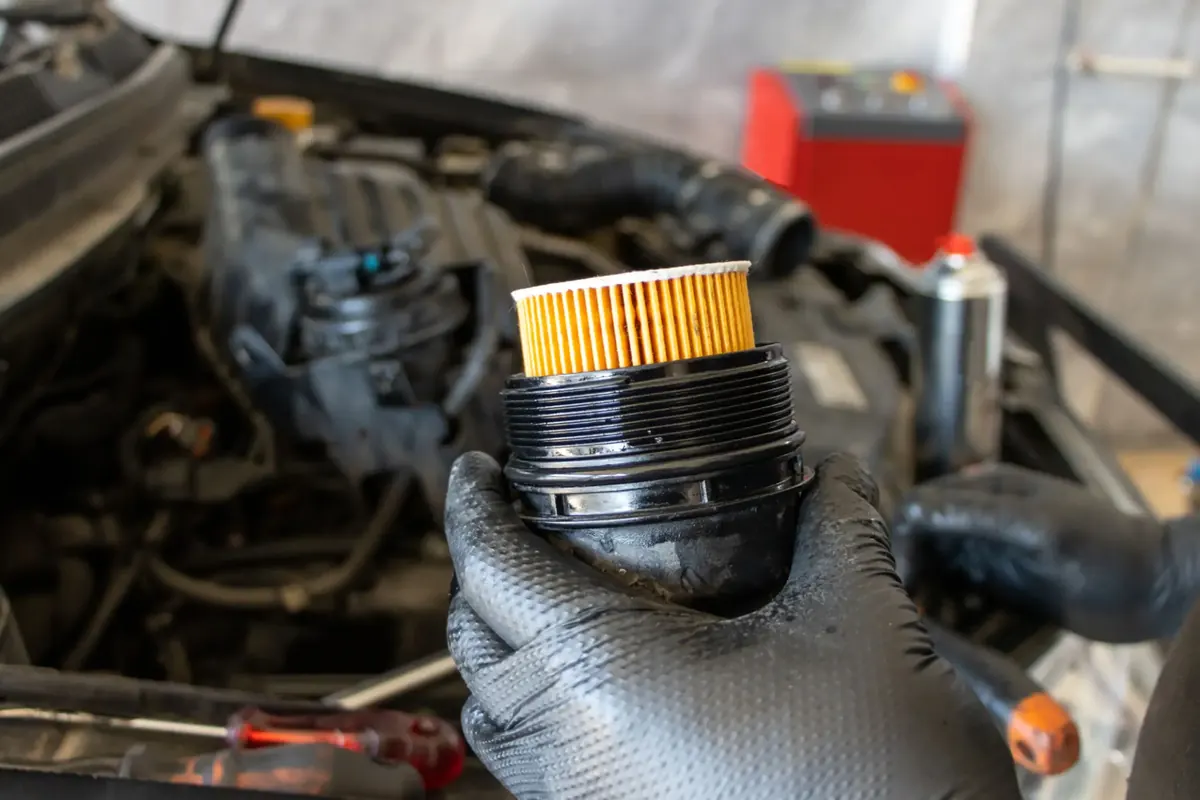
At a glance
Oil-change timing and oil specification should follow the vehicle manufacturer’s guidance and operating conditions. Confirm the required oil, quantity, filter and actual included checks rather than comparing package names alone. Keep the service record and report abnormal warnings separately.
Why engine oil needs renewal
Engine oil is essential to the reliable operation of an internal combustion engine. As the engine runs, oil circulates through narrow passages and forms a protective film over moving parts, including bearings, pistons, and camshafts. This lubrication helps components move smoothly against one another rather than making direct, damaging contact. By reducing friction, oil limits wear and helps the engine operate efficiently. The protective film is particularly important during startup, when components begin moving before the engine has reached its normal operating temperature.
Oil also helps manage heat. As it flows around the engine, it carries some heat away from heavily loaded components, supporting the cooling system’s work. In addition, oil suspends fine particles and residue created through normal operation, helping prevent these contaminants from settling on internal surfaces. The oil filter captures many of the particles and debris carried in the circulating oil. Together, the oil and filter help keep engine passages cleaner and protect precision parts from abrasive material.
These protective properties do not last indefinitely. Repeated exposure to heat and pressure gradually changes oil’s composition, while combustion by-products, dust, and tiny amounts of metal can contaminate it. Over time, oil may become less effective at lubricating, carrying heat, and keeping contaminants suspended. An oil change replaces the used oil with fresh oil and typically includes replacing the oil filter, which has collected particles and debris. Skipping changes for too long can allow contaminants to accumulate and oil performance to decline. The resulting conditions may contribute to increased friction and wear, poorer heat control, sludge buildup, and restricted oil flow. In severe cases, continued neglect can cause major engine damage and expensive repairs. Regularly replacing oil and the filter helps maintain the engine’s protection, though the appropriate service interval depends on the vehicle manufacturer’s guidance and driving conditions.
Find the correct interval and oil specification
There is no single oil-change interval that suits every vehicle. Begin with the owner’s manual, which sets the manufacturer’s recommended schedule for the specific engine, model year, and oil specification. The interval may be expressed as a mileage limit, a time limit, or whichever comes first; a car driven only a few thousand miles annually may still need an oil change after the stated period. Follow any separate schedule for normal and severe service, since the definition of each can vary by manufacturer. If the manual is unavailable, consult the automaker’s official service information or a qualified technician rather than relying on a generic rule.
Many newer vehicles use an oil-life monitoring system that estimates when service is due from operating conditions, rather than simply counting miles. Treat its alert as a useful guide and follow the manual’s instructions for resetting it after service; do not assume that it eliminates time-based limits or routine checks. Driving patterns can also place a vehicle in severe service. Frequent short trips that prevent the engine from warming fully, repeated stop-and-go traffic, towing, dusty roads, extreme heat or cold, and extended idling can increase oil stress or contamination. When these conditions apply, use the more frequent schedule specified by the manufacturer.
Oil type and engine design matter, too. The manual may call for a particular viscosity and performance standard, and some engines—including turbocharged designs—have distinct maintenance requirements. Using the correct oil does not automatically justify extending the interval beyond the specified schedule. Check the dipstick regularly, especially before long journeys and between scheduled services, and top up with the recommended oil if the level is low. A falling level, warning light, unusual noise, or visible leak warrants prompt attention; topping up is not a substitute for changing overdue oil. Keeping records of dates, mileage, oil specification, and service conditions makes it easier to follow the right interval over time.
What a routine oil change can include
A routine oil change begins with confirming the vehicle manufacturer’s requirements. The technician checks the owner’s manual or service information for the correct oil viscosity, such as 0W-20, and the required performance specification. Choosing oil that meets both requirements helps protect the engine and maintain its intended performance. The vehicle is then positioned on a level surface, switched off, and allowed to cool enough for safe service. If access underneath is needed, it is raised using suitable lifting equipment and secured properly.
Next, the technician places a collection pan beneath the engine and removes the drain plug, allowing the used oil to flow out. Once draining is complete, the oil filter is removed. Depending on the vehicle, the filter may be a spin-on canister or a replaceable element inside a housing. The replacement filter is the correct type for the vehicle; its sealing surface is checked, and any required gasket is fitted. A small amount of fresh oil may be applied to a rubber filter seal before installation, following the manufacturer’s procedure.
The drain plug is inspected and reinstalled, often with a new sealing washer when specified. It is tightened to the appropriate torque rather than overtightened, which can damage threads or cause future leaks. The technician then adds the specified quantity of fresh oil through the engine’s fill opening. After running the engine briefly, the technician switches it off, waits for the oil to settle, and checks the dipstick or electronic level indicator. The level is adjusted as needed, and the area around the filter and drain plug is checked for leaks.
A responsible technician may also inspect related items, including other fluid levels, belts, tires, and visible signs of leaks. These checks can help identify maintenance needs, but they are additional inspections rather than steps required to change the oil itself. Finally, used oil and the old filter are collected and sent for appropriate recycling or disposal. They should never be poured onto the ground, into a drain, or placed in ordinary rubbish, since they can contaminate soil and water.
Compare oil choices and keep service records
Start by checking the owner’s manual for the engine oil viscosity grade and performance specification required for your vehicle. The label on an oil container may show a grade such as 0W-20 or 5W-30. The numbers describe how the oil flows at different temperatures; they are not a measure of quality. The manual may also specify an industry or manufacturer standard, often printed as a code on the container. Match both the viscosity and required specification, and follow any guidance about operating conditions or approved alternatives. If the manual and a quick online recommendation seem to differ, use the vehicle manufacturer’s instructions or ask a qualified service professional.
Conventional oil, synthetic blend, and full synthetic oil differ in how they are formulated and processed. Conventional oil may suit vehicles whose manufacturers permit it and whose service intervals are followed. Synthetic blends combine conventional and synthetic base oils, while full synthetic products are designed to provide consistent performance across a wider range of temperatures and demanding conditions. However, the most expensive option is not automatically the right choice. A lower-cost oil that meets the vehicle’s exact viscosity and performance requirements may be more appropriate than a premium product that does not. Do not extend oil-change intervals solely because the oil is synthetic; use the schedule specified for the vehicle and account for severe driving conditions when directed.
After an oil change, check the level on level ground using the procedure in the owner’s manual. Confirm that it falls within the marked range, and address an unexpectedly low or high reading. Reset the maintenance reminder when appropriate, but do not treat a reset as proof that service was completed. Keep receipts and record the service date, vehicle mileage, oil type and viscosity, and filter used. These details support consistent maintenance and can help diagnose later issues. Seek professional diagnosis promptly if an oil warning light appears, oil pressure is low, a leak is visible, or the engine develops unusual knocking, ticking, or other noises. Stop driving when the warning or sound indicates an immediate risk, since continued operation with inadequate lubrication can cause severe engine damage.
YOUR NEXT STEP
Clear advice starts with your vehicle.
Tell us your vehicle, the symptoms or tire size, and the service you need. We’ll confirm the available assessment, fitment or quote scope before your visit to 50 Munham Gate, Scarborough.
Explore Oil Change in Scarborough or send your details to the shop.
Contact Us